London
 UK
UK Ireland
 Scotland


Safety & Access
Address
Dabell Avenue
Blenheim Industrial Estate, Bulwell
Blenheim Industrial Estate, Bulwell
Nottingham
NG6 8WA
About Safety & Access
Safety & Access are one of the UK’s leading scaffolding and access training offering CISRS scaffolding courses and H&S consultancy providers; offering a wide range of professional support services to a broad range of industry sectors for over 30 years.
Versatile Portfolio
Safety & Access are one of the UK’s leading scaffolding and access training and H&S consultancy providers, offering a wide range of professional support services to a broad range of industry sectors since 1991.
Experienced Staff
We are proud of our reputation for quality and service and our ability to deliver reliable, independent support at all levels.
Worldwide Scaffold Training
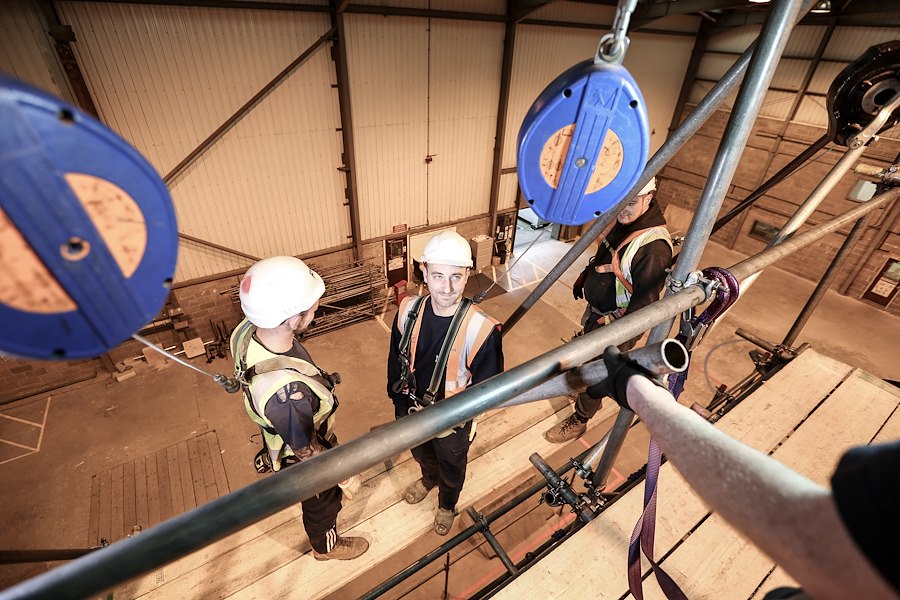
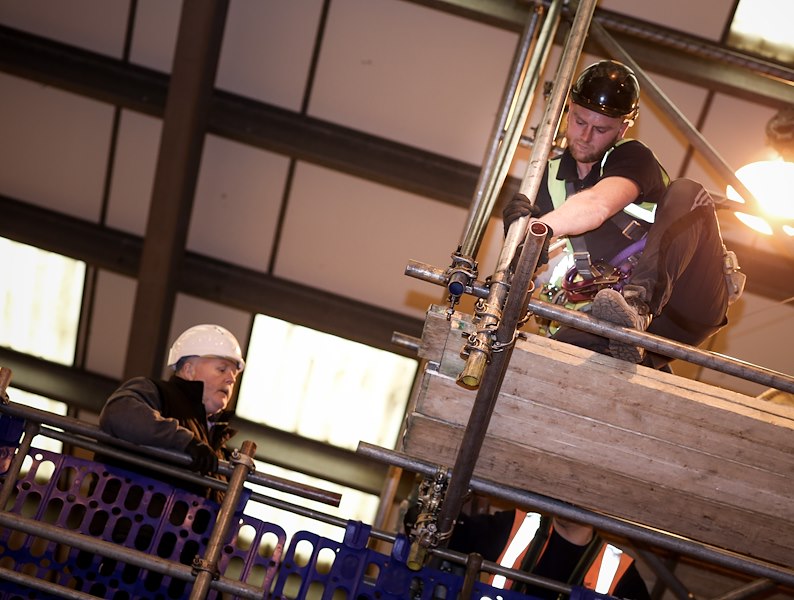
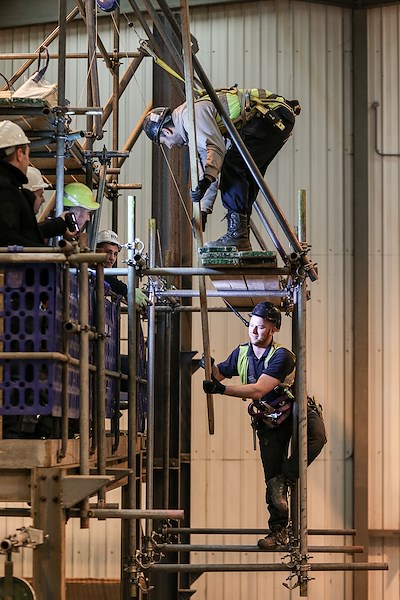
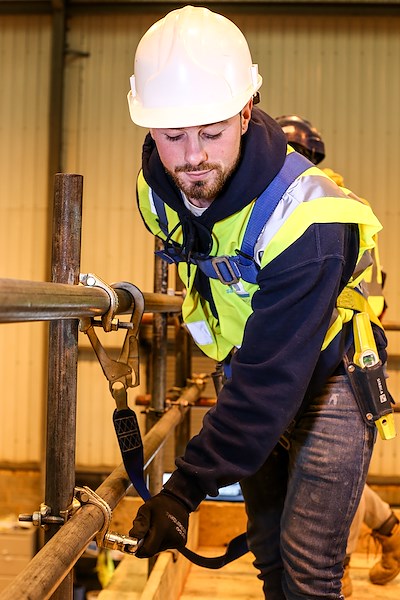
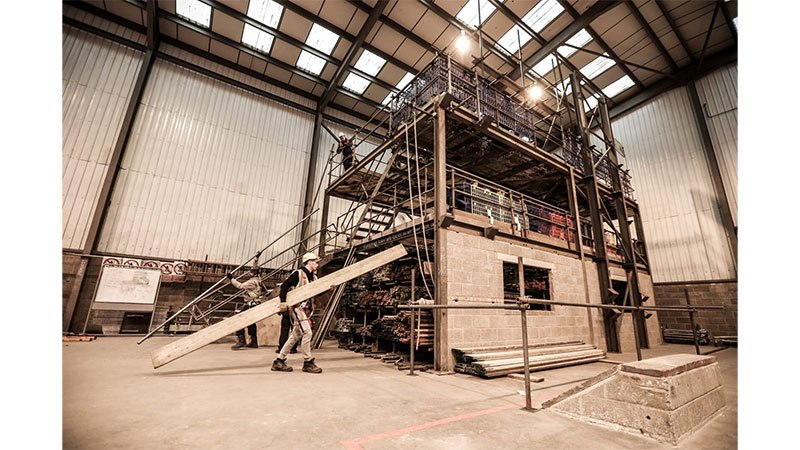
Our training portfolio includes scaffolding courses for both management and operatives, either on site or at one of our purpose built training centres in the UK or at our international centres across the Middle East and beyond.
Proven Consultancy
Our proven consultancy services include independent site audits, monitoring, inspections and a full health and safety consultancy service delivered by our network of health and safety professionals.
CISRS Training Courses
Looking for a CISRS Scaffold Training Course delivered by an accredited training provider? Then you’re in the right place!
We’re proud to offer the full range of CISRS Scaffold Courses at our specialist training facilities located across the UK, including London, Nottingham & Humberside.
Safety & Access Training Courses
PASMA Training Courses
CITB Site Safety Plus Training Courses
Health and Safety Courses
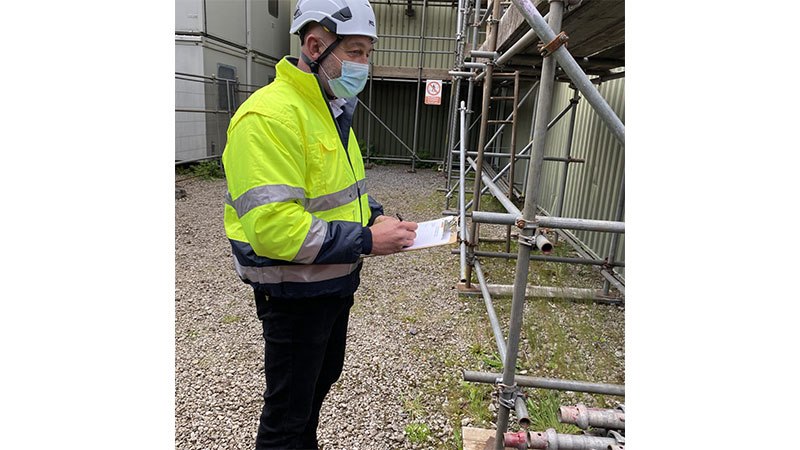
Scaffold inspection services across the UK via our team of CISRS Advanced Scaffold Inspectors.
Whether you need routine statutory checks, monthly monitoring, or one-off inspections, our team ensures your scaffold structures meet the highest safety and compliance standards. Each inspection includes high-quality photographs and a clear traffic-light reporting system, making it easy to understand risk levels at a glance.
Gallery
News
Upcoming Scaffold Training Courses for November
CISRS COTS Course
07/11/2025 Lincolnshire
12/11/2025 Nottingham
14/11/2025 London
21/11/2025 Lincolnshire
24/11/2025 London
27/11/2025 Nottingham
CISRS Part 1: Tube & Fitting Course
10/11/2025 Nottingham
17/11/2025 Lincolnshire
24/11/2025 Nottingham
CISRS Part 2: Tube & Fitting Course
17/11/2025 Nottingham
CISRS Refresher/CPD Course
10/11/2025 Nottingham
13/11/2025 Lincolnshire
19/11/2025 London
25/11/2025 Lincolnshire
27/11/2025 Nottingham
27/11/2025 London
CISRS LAYHER (Rosette) Scaffold Inspection Course
24/11/2025 Nottingham
https://safetyaccess.co.uk/product-category/training-courses/cisrs-training-courses/
CISRS COTS Course
07/11/2025 Lincolnshire
12/11/2025 Nottingham
14/11/2025 London
21/11/2025 Lincolnshire
24/11/2025 London
27/11/2025 Nottingham
CISRS Part 1: Tube & Fitting Course
10/11/2025 Nottingham
17/11/2025 Lincolnshire
24/11/2025 Nottingham
CISRS Part 2: Tube & Fitting Course
17/11/2025 Nottingham
CISRS Refresher/CPD Course
10/11/2025 Nottingham
13/11/2025 Lincolnshire
19/11/2025 London
25/11/2025 Lincolnshire
27/11/2025 Nottingham
27/11/2025 London
CISRS LAYHER (Rosette) Scaffold Inspection Course
24/11/2025 Nottingham
https://safetyaccess.co.uk/product-category/training-courses/cisrs-training-courses/
A recent HSE prosecution has once again highlighted the devastating consequences of inadequate scaffold safety.
Mr Iftikhar Ahmed Mughal, aged 64, died four days after falling from a scaffolding tower without edge protection while fitting a shop sign in Darwen, Lancashire, on 22 November 2022.
He was standing on a platform just six feet high when he fell to the pavement below. The fall caused serious head injuries, and despite emergency care, Mr Mughal sadly passed away in hospital a few days later.
An investigation by the Health and Safety Executive (HSE) found that both WH Metals Limited and its director, who was present at the time, had failed to prevent the risk of a fall from height—a fundamental breach of duty under the Health and Safety at Work etc. Act 1974.
A Preventable Death
The court heard that the scaffold tower had no guardrails or edge protection in place. The HSE stated that this simple, well-known safety measure would almost certainly have prevented the fatal fall.
“Work at height remains one of the leading causes of workplace injury and death. In this case, a fall of six feet was enough to cause a death.” — David Hobbs, HSE Inspector
HSE guidance on tower scaffolds clearly specifies that guardrails around working platforms are the preferred method of fall prevention, a requirement that all competent scaffolders and supervisors are trained to recognise and implement.
At Bolton Magistrates’ Court, WH Metals Limited pleaded guilty to breaching Section 2(1) of the Act and was fined £45,000 plus costs. The company’s director, Mr Waqas Hanif, pleaded guilty under Section 37 and received a 26-week suspended custodial sentence alongside additional costs.
The Role of Competent Scaffolders and Inspectors
This tragic case reinforces why competence and inspection are the cornerstones of scaffold safety. Even a low platform can be lethal when built or used incorrectly.
At Safety & Access, we regularly encounter scaffolding and tower systems that lack appropriate:
Guardrails and toe boards
Secure foundations or ties
Access gates or safe working platforms
Regular inspections in line with Work at Height Regulations (2005)
Such deficiencies are preventable when operatives are properly trained and competent to identify hazards before anyone steps onto the scaffold.
How Training Prevents Tragedies
Through our CISRS-accredited scaffold training programmes, Safety & Access ensures that all scaffolders, supervisors, and inspectors understand:
The legal and practical requirements for edge protection and safe working platforms
How to assemble, inspect, and dismantle scaffold structures safely
How to plan and manage work at height operations in compliance with HSE and NASC TG20 guidance
Courses such as the CISRS Basic Scaffold Inspection, CISRS Advanced Scaffold Inspection, and CISRS Part 1 and 2 Scaffolder training help develop the technical competence required to spot unsafe conditions before someone gets hurt.
Scaffold Inspections: The Final Line of Defence
Regular inspections are a legal requirement under the Work at Height Regulations, but more importantly, they are a life-saving habit. A competent inspection identifies missing guardrails, unsecured components, and signs of overloading long before they pose a danger.
Our qualified scaffold inspectors provide independent verification of scaffold integrity across projects of all sizes, helping contractors demonstrate compliance and protect every person who sets foot on the structure.
Lessons from the HSE Case
This case demonstrates three critical truths for anyone working at height:
Falls from even low heights can be fatal.
Edge protection and inspection are simple, proven safeguards.
Competence saves lives, and that competence comes from proper training.
Protect Your Workforce with Safety & Access
Don’t let a preventable fall define your project. Safety & Access offers:
CISRS Scaffolding Courses – from COTS to Advanced Scaffolder
CISRS Scaffold Inspection Training – Basic and Advanced levels
Tower Scaffold and Work at Height Awareness Courses
Independent Scaffold Inspection Services
Learn more about our training and inspection solutions at: ?? www.safetyaccess.co.uk
Upcoming CISRS Scaffolding Courses – October & November 2025
Keep your team competent, compliant and site-ready with accredited CISRS training from
Safety & Access. Delivered by industry-experienced instructors across our
Nottingham, London and CATCH (Humberside) centres, these courses cover
COTS, Part 1, Part 2, 2 Day CPD, Basic Scaffold Inspection (BSI) and more.
Secure your place early—dates below fill fast.
CISRS 2 Day CPD
13–14 October Nottingham
CISRS Part 2
13–24 October Nottingham
CISRS COTS
15 October Nottingham
CISRS COTS
17 October London
CISRS COTS
20 October CATCH
CISRS COTS
21 October Nottingham
CISRS Basic Scaffold Inspection (BSI)
22–24 October Nottingham
CISRS 1 Day Skills Test
25 October Nottingham
CISRS Part 1
27 October – 7 November Nottingham
CISRS COTS
27 October CATCH
CISRS COTS
27 October Nottingham
CISRS 2 Day CPD
30–31 October CATCH
CISRS 2 Day CPD
30–31 October London
CISRS COTS
31 October London
CISRS Part 2
3–14 November Nottingham
CISRS COTS
3 November London
CISRS COTS
5 November Nottingham
CISRS 2 Day CPD
6–7 November London
CISRS COTS
7 November CATCH
Keep your team competent, compliant and site-ready with accredited CISRS training from
Safety & Access. Delivered by industry-experienced instructors across our
Nottingham, London and CATCH (Humberside) centres, these courses cover
COTS, Part 1, Part 2, 2 Day CPD, Basic Scaffold Inspection (BSI) and more.
Secure your place early—dates below fill fast.
CISRS 2 Day CPD
13–14 October Nottingham
CISRS Part 2
13–24 October Nottingham
CISRS COTS
15 October Nottingham
CISRS COTS
17 October London
CISRS COTS
20 October CATCH
CISRS COTS
21 October Nottingham
CISRS Basic Scaffold Inspection (BSI)
22–24 October Nottingham
CISRS 1 Day Skills Test
25 October Nottingham
CISRS Part 1
27 October – 7 November Nottingham
CISRS COTS
27 October CATCH
CISRS COTS
27 October Nottingham
CISRS 2 Day CPD
30–31 October CATCH
CISRS 2 Day CPD
30–31 October London
CISRS COTS
31 October London
CISRS Part 2
3–14 November Nottingham
CISRS COTS
3 November London
CISRS COTS
5 November Nottingham
CISRS 2 Day CPD
6–7 November London
CISRS COTS
7 November CATCH
Scaffolding has long been a backbone of UK construction. But beyond just supporting work at height, it represents a critical safety interface, and its integrity must be managed with diligence, including scaffolding inspections.
In May 2025, the Scaffolding Association released updated guidance on scaffold inspections, aimed at strengthening industry standards and ensuring safer sites across the UK. Their new “SIGNS25 – What Are the Requirements for Scaffold Inspection” document underscores legal obligations under the Work at Height Regulations (2005) and CDM Regulations, and provides practical direction for inspection regimes.
Why This Matters to You & Your Workforce
Regulatory Compliance & Liability: Failing to inspect scaffolds properly can lead to breaches of the Work at Height Regulations (2005) or CDM duties, with serious legal and financial consequences.
Prevention of Catastrophic Failures: Many scaffold accidents begin with small defects such as missing components, overloading, environmental damage, things that go unnoticed until it’s too late.
Confidence for Operatives & Clients: Regular, documented inspections build trust with your teams, suppliers, clients, and stakeholders.
Proactive Risk Management: The new guidance encourages organisations to take a risk-based approach rather than purely reactive inspection schedules. That means being smarter about where, how often, and under what conditions inspections occur.
How Safety & Access Supports You
At Safety & Access, we’re committed to helping scaffold users and contractors not just meet standards, but exceed them. Here’s how we can help:
Training – CISRS Scaffold Inspection Courses
We deliver both CISRS Basic Scaffold Inspection and CISRS Advanced Scaffold Inspection training at our facilities.
These courses equip your staff to carry out competent inspections, identify defects, and certify scaffolding periods in line with industry expectations.
Empowering your own team to spot issues early can prevent downtime and reduce risk.
Inspection Services on Your Behalf
If you’d rather outsource, we can carry out scaffold inspections for you, from weekly checks to full structural assessments – infomation here
Our team uses the latest best practices, detailed reporting, and risk-based methods aligned with the new Scaffolding Association guidelines.
Consultancy, Audits & Compliance Support
We can audit your existing inspection regime, highlight gaps versus current guidance, and recommend improvements.
Provide toolbox talks, assistance with risk assessments, and scaffold inspection plans to integrate into your safety management system.
Final Thoughts
The new scaffold inspection guidance from the Scaffolding Association is more than an update, it’s a call to action for the industry to take inspection regimes seriously.
At Safety & Access, we believe safety isn’t just compliance – it’s culture. Whether you train your team to do inspections in-house or enlist our services, together we can help ensure scaffolds on your projects are inspected rigorously, defects are caught early, and lives are protected.
Want to discuss how we can support your scaffold inspection needs, or evaluate the training course best suited to your organisation? Just reach out. We’re ready when you are!
Phone: 0115 979 4523
Email: [email protected]
In May 2025, the Scaffolding Association released updated guidance on scaffold inspections, aimed at strengthening industry standards and ensuring safer sites across the UK. Their new “SIGNS25 – What Are the Requirements for Scaffold Inspection” document underscores legal obligations under the Work at Height Regulations (2005) and CDM Regulations, and provides practical direction for inspection regimes.
Why This Matters to You & Your Workforce
Regulatory Compliance & Liability: Failing to inspect scaffolds properly can lead to breaches of the Work at Height Regulations (2005) or CDM duties, with serious legal and financial consequences.
Prevention of Catastrophic Failures: Many scaffold accidents begin with small defects such as missing components, overloading, environmental damage, things that go unnoticed until it’s too late.
Confidence for Operatives & Clients: Regular, documented inspections build trust with your teams, suppliers, clients, and stakeholders.
Proactive Risk Management: The new guidance encourages organisations to take a risk-based approach rather than purely reactive inspection schedules. That means being smarter about where, how often, and under what conditions inspections occur.
How Safety & Access Supports You
At Safety & Access, we’re committed to helping scaffold users and contractors not just meet standards, but exceed them. Here’s how we can help:
Training – CISRS Scaffold Inspection Courses
We deliver both CISRS Basic Scaffold Inspection and CISRS Advanced Scaffold Inspection training at our facilities.
These courses equip your staff to carry out competent inspections, identify defects, and certify scaffolding periods in line with industry expectations.
Empowering your own team to spot issues early can prevent downtime and reduce risk.
Inspection Services on Your Behalf
If you’d rather outsource, we can carry out scaffold inspections for you, from weekly checks to full structural assessments – infomation here
Our team uses the latest best practices, detailed reporting, and risk-based methods aligned with the new Scaffolding Association guidelines.
Consultancy, Audits & Compliance Support
We can audit your existing inspection regime, highlight gaps versus current guidance, and recommend improvements.
Provide toolbox talks, assistance with risk assessments, and scaffold inspection plans to integrate into your safety management system.
Final Thoughts
The new scaffold inspection guidance from the Scaffolding Association is more than an update, it’s a call to action for the industry to take inspection regimes seriously.
At Safety & Access, we believe safety isn’t just compliance – it’s culture. Whether you train your team to do inspections in-house or enlist our services, together we can help ensure scaffolds on your projects are inspected rigorously, defects are caught early, and lives are protected.
Want to discuss how we can support your scaffold inspection needs, or evaluate the training course best suited to your organisation? Just reach out. We’re ready when you are!
Phone: 0115 979 4523
Email: [email protected]
The British Standards Institution (BSI) has published updated safety standards for temporary works in construction. These standards provide clearer guidance to help ensure structures remain safe and stable during building projects.
The revised BS 5975:2019 standard has now been split into two parts, each focusing on different aspects of temporary works – from management procedures to the design and implementation of falsework.
BS 5975-1:2024 Part 1 outlines best practices for planning and overseeing temporary works. It highlights the importance of training, clear processes, and strict control measures to ensure these structures are properly designed, built, and dismantled.
Meanwhile, BS 5975-2:2024 Part 2 focuses on falsework – temporary structures that support buildings until they can hold their own weight. The updates include new guidance on stress limits, design principles, and safety checks to reduce risks on site.
The latest changes also introduce:
Stronger wind force calculations to improve stability.Updated stress and limit state design guidance for falsework.More tailored safety measures for projects of different sizes and complexities.
“A Big Step Forward for Safety”
Anthony Burd, Director of Built Environment at BSI, says these updates are a major step forward for the industry.
“These revised standards will help improve safety and efficiency across construction projects,” he said. “By providing clearer guidance on managing temporary works and designing falsework, they’ll help professionals reduce risks and make sure structures are properly controlled.”
He added that the changes reflect the latest advancements in the industry, reinforcing the importance of strong safety measures, proper training, and well-thought-out design.
Further information can be found here: BS 5975-1:2024 and BS 5975-2:2024.
The revised BS 5975:2019 standard has now been split into two parts, each focusing on different aspects of temporary works – from management procedures to the design and implementation of falsework.
BS 5975-1:2024 Part 1 outlines best practices for planning and overseeing temporary works. It highlights the importance of training, clear processes, and strict control measures to ensure these structures are properly designed, built, and dismantled.
Meanwhile, BS 5975-2:2024 Part 2 focuses on falsework – temporary structures that support buildings until they can hold their own weight. The updates include new guidance on stress limits, design principles, and safety checks to reduce risks on site.
The latest changes also introduce:
Stronger wind force calculations to improve stability.Updated stress and limit state design guidance for falsework.More tailored safety measures for projects of different sizes and complexities.
“A Big Step Forward for Safety”
Anthony Burd, Director of Built Environment at BSI, says these updates are a major step forward for the industry.
“These revised standards will help improve safety and efficiency across construction projects,” he said. “By providing clearer guidance on managing temporary works and designing falsework, they’ll help professionals reduce risks and make sure structures are properly controlled.”
He added that the changes reflect the latest advancements in the industry, reinforcing the importance of strong safety measures, proper training, and well-thought-out design.
Further information can be found here: BS 5975-1:2024 and BS 5975-2:2024.
The CISRS Part 2 Tube & Fitting course is the next step for scaffolders looking to progress their career and achieve their CISRS Scaffolder Card. At Safety & Access, we’ve been delivering accredited scaffolding training since 1991, and we remain one of the UK’s leading CISRS training providers.
What is the CISRS Part 2 Tube & Fitting Course?
This advanced scaffolding training builds on the skills from CISRS Part 1. It covers more complex scaffolding structures, safety standards, and advanced tube & fitting techniques required for real-world scaffolding projects.
Who Can Book a CISRS Part 2 Training Course?
Operatives who have successfully completed the CISRS Part 1 course. Must hold a valid Part 1 certificate or updated CISRS Trainee Card. Must have at least 6 months scaffolding experience after completing Part 1
What Does the Part 2 Tube & Fitting Course Cover?
The course runs for 2 weeks (10 consecutive days, Monday–Friday).
Trainees will learn:
Advanced tube & fitting scaffolding techniques
Complex structure erection and dismantling
Health & safety and fall protection awareness
Scaffold inspections and safe working practices
What Happens After CISRS Part 2 Training?
Upon successful completion, you’ll receive a CISRS Part 2 certificate and your Trainee Card will be updated. You can then:
Gather work-based evidence for your S/NVQ Level 2Book and complete your 1 Day CISRS Skills Test
Progress towards your CISRS Scaffolder Card
Why Choose Safety & Access for CISRS Scaffolding Training?
When searching for “book CISRS Part 2 scaffolding course”, you want a provider that’s trusted, accredited, and experienced. That’s where Safety & Access stands out:
Over 30 years’ experience — training scaffolders since 1991.
Accredited training centres — fully approved by CISRS to deliver Part 1, Part 2, and advanced courses.
Expert instructors — highly skilled trainers with years of industry knowledge.
Modern facilities — realistic scaffolding setups for hands-on training.
Funding support — guidance on accessing CITB grants and employer support.
Simple booking process — whether you trained with us before or not, booking is straightforward.
“At Safety & Access, we don’t just train scaffolders — we build careers. Our CISRS courses give operatives the confidence, skills, and qualifications they need to succeed.”
— John Hall, Training Manager, Safety & Access
FAQs About Booking a CISRS Part 2 Course
Do I have to take Part 2 at the same training centre where I did Part 1?
No — you can book Part 2 at any CISRS Accredited Centre, including Safety & Access.
Do I need to take Part 2 in the same scaffold materials as Part 1?
Not necessarily — but whichever materials you train in at Part 2 will determine your work-based portfolio and your Scaffolder Card endorsement.
What if I fail the course?
If you do not demonstrate the required skills, you may need to re-attend the course once you have gained more experience. Our trainers will support you in identifying areas for improvement.
Can I get funding for Part 2 training?
Yes — many employers can access CITB grants to support training costs. Our team can guide you through this process.
How to Book Your CISRS Part 2 Tube & Fitting Scaffolding Course
Booking your CISRS Part 1 scaffolding course with Safety & Access is simple:
On our website select your preferred training venue
Check the upcoming course dates
Confirm you meet the CISRS Part 1 course requirements
Reserve your place online or call our friendly team for support
Book Your CISRS Part 2 Tube & Fitting Course Today
If you’ve been searching for a CISRS Part 2 Tube and Fitting course near me or want to know how to book CISRS scaffolding Part 2 training, Safety & Access is here to help.
With over 30 years of experience, accredited centres, and expert trainers, we’re the perfect choice for scaffolders who want to move up in their career.
Book your CISRS Part 2 Tube & Fitting course with Safety & Access now
Your future as a qualified scaffolder starts here. Don’t delay — secure your place today.
What is the CISRS Part 2 Tube & Fitting Course?
This advanced scaffolding training builds on the skills from CISRS Part 1. It covers more complex scaffolding structures, safety standards, and advanced tube & fitting techniques required for real-world scaffolding projects.
Who Can Book a CISRS Part 2 Training Course?
Operatives who have successfully completed the CISRS Part 1 course. Must hold a valid Part 1 certificate or updated CISRS Trainee Card. Must have at least 6 months scaffolding experience after completing Part 1
What Does the Part 2 Tube & Fitting Course Cover?
The course runs for 2 weeks (10 consecutive days, Monday–Friday).
Trainees will learn:
Advanced tube & fitting scaffolding techniques
Complex structure erection and dismantling
Health & safety and fall protection awareness
Scaffold inspections and safe working practices
What Happens After CISRS Part 2 Training?
Upon successful completion, you’ll receive a CISRS Part 2 certificate and your Trainee Card will be updated. You can then:
Gather work-based evidence for your S/NVQ Level 2Book and complete your 1 Day CISRS Skills Test
Progress towards your CISRS Scaffolder Card
Why Choose Safety & Access for CISRS Scaffolding Training?
When searching for “book CISRS Part 2 scaffolding course”, you want a provider that’s trusted, accredited, and experienced. That’s where Safety & Access stands out:
Over 30 years’ experience — training scaffolders since 1991.
Accredited training centres — fully approved by CISRS to deliver Part 1, Part 2, and advanced courses.
Expert instructors — highly skilled trainers with years of industry knowledge.
Modern facilities — realistic scaffolding setups for hands-on training.
Funding support — guidance on accessing CITB grants and employer support.
Simple booking process — whether you trained with us before or not, booking is straightforward.
“At Safety & Access, we don’t just train scaffolders — we build careers. Our CISRS courses give operatives the confidence, skills, and qualifications they need to succeed.”
— John Hall, Training Manager, Safety & Access
FAQs About Booking a CISRS Part 2 Course
Do I have to take Part 2 at the same training centre where I did Part 1?
No — you can book Part 2 at any CISRS Accredited Centre, including Safety & Access.
Do I need to take Part 2 in the same scaffold materials as Part 1?
Not necessarily — but whichever materials you train in at Part 2 will determine your work-based portfolio and your Scaffolder Card endorsement.
What if I fail the course?
If you do not demonstrate the required skills, you may need to re-attend the course once you have gained more experience. Our trainers will support you in identifying areas for improvement.
Can I get funding for Part 2 training?
Yes — many employers can access CITB grants to support training costs. Our team can guide you through this process.
How to Book Your CISRS Part 2 Tube & Fitting Scaffolding Course
Booking your CISRS Part 1 scaffolding course with Safety & Access is simple:
On our website select your preferred training venue
Check the upcoming course dates
Confirm you meet the CISRS Part 1 course requirements
Reserve your place online or call our friendly team for support
Book Your CISRS Part 2 Tube & Fitting Course Today
If you’ve been searching for a CISRS Part 2 Tube and Fitting course near me or want to know how to book CISRS scaffolding Part 2 training, Safety & Access is here to help.
With over 30 years of experience, accredited centres, and expert trainers, we’re the perfect choice for scaffolders who want to move up in their career.
Book your CISRS Part 2 Tube & Fitting course with Safety & Access now
Your future as a qualified scaffolder starts here. Don’t delay — secure your place today.
Products & Services
Location Map
Safety & Access Serves The Following Areas
Safety & Access Serves The Following Boroughs